
Service Dog
is dedicated to educating dog owners and those interested in service animals about the specific roles service dogs play. Learn about different types of service dogs, how they are trained to assist individuals with disabilities, and the legal rights that protect service dog handlers. This section also includes resources for registering and certifying service dogs, helping ensure a smooth and legal experience for service dog owners.
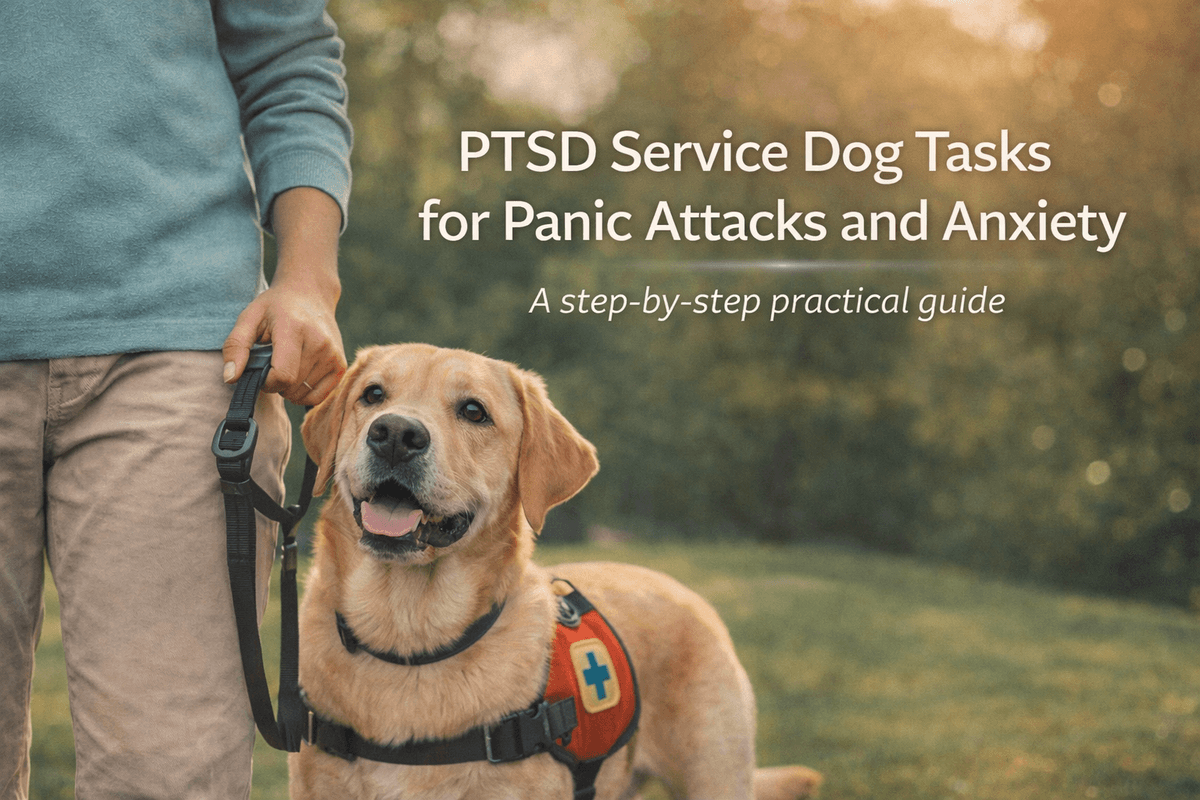
PTSD Service Dog Tasks for Panic Attacks and Anxiety
Step-by-step PTSD service dog tasks for panic attacks and anxiety—interrupt, ground, guide, and recover, plus training tips and real-life examples now
By Jason Hall, DVM
Nightmares, Night Terrors, and Sleep Support: PTSD Service Dog Tasks That Help at Night
PTSD service dog tasks that help at night: interrupt nightmares, support grounding, and build a calm sleep routine for safer rest and recovery.
By Benjamin Clark, DVM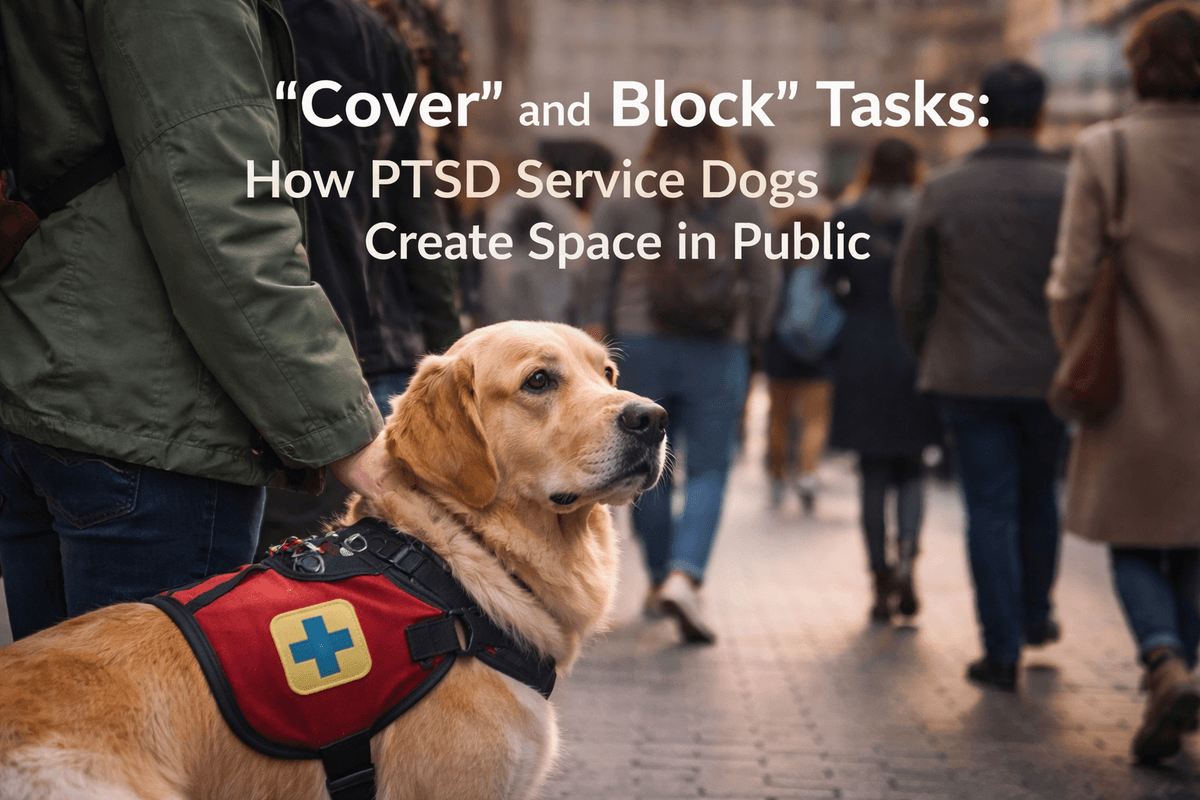
“Cover” and “Block” Tasks: How PTSD Service Dogs Create Space in Public
Learn “cover” and “block” PTSD service dog tasks to create calm space in public, reduce startle triggers, and stay compliant with access rules.
By Benjamin Clark, DVM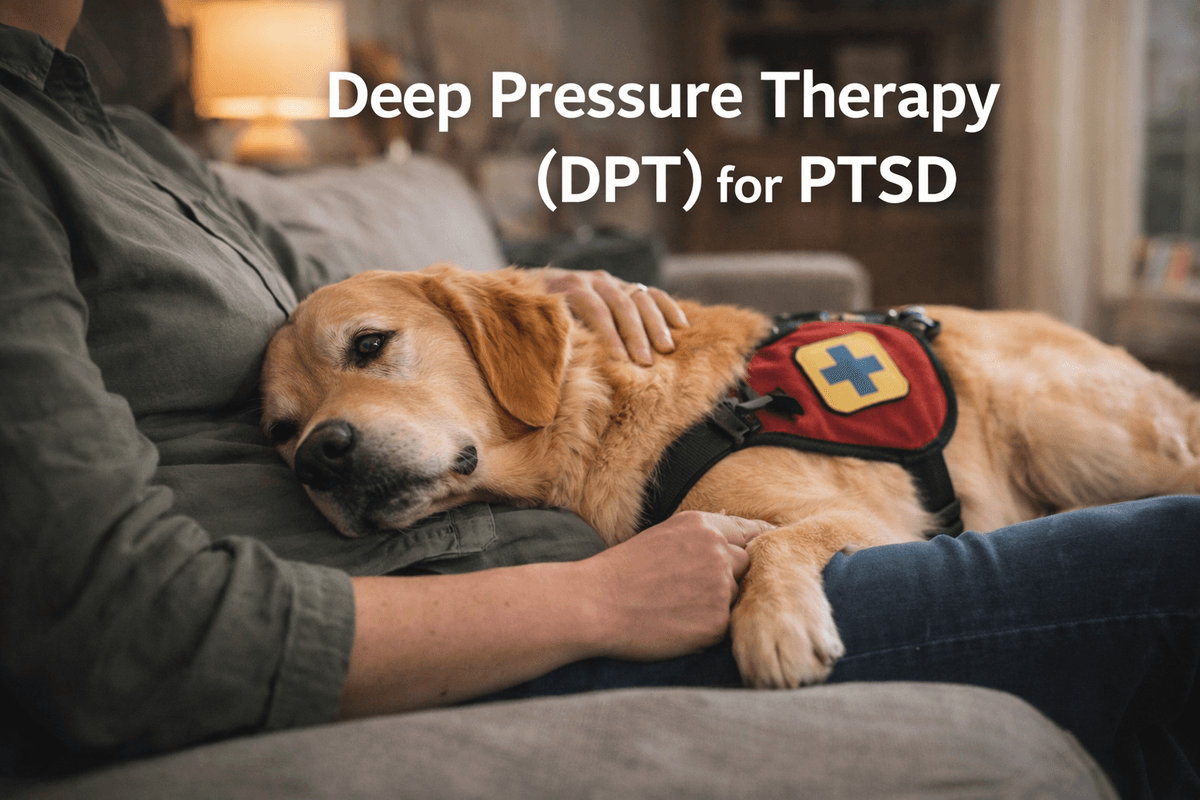
Deep Pressure Therapy (DPT) for PTSD: How It Works and How Dogs Are Trained
Deep Pressure Therapy (DPT) for PTSD: why pressure helps, who it’s for, and how service dogs are trained to apply calm, safe, cue-based DPT.
By Benjamin Clark, DVM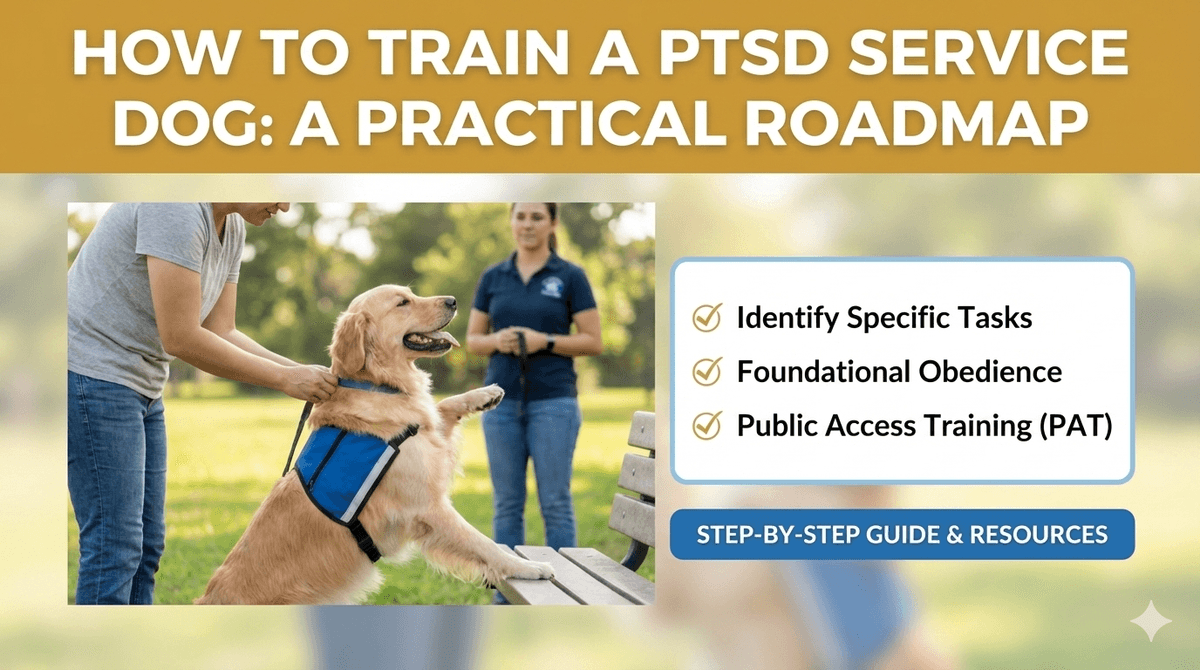
How to Train a PTSD Service Dog: A Practical Roadmap (Owner-Trained vs Program-Trained)
Learn how to train a PTSD service dog with a practical roadmap: choose the right dog, build public access skills, train tasks, and proof reliably.
By Benjamin Clark, DVM
Best Breeds for PTSD Service Work (and Why Breed Isn’t Everything)
Best PTSD service dog breeds help, but temperament, health, neutrality, and task fit matter more than breed labels—choose the individual dog every time.
By Benjamin Clark, DVM
Public Access Mistakes PTSD Handlers Should Avoid
Avoid common PTSD service dog public access mistakes: don’t go out too early, train neutrality + settle, prevent guarding, and plan exits.
By Benjamin Clark, DVMPopular Articles




Stay Updated
Get the latest articles and health tips delivered to your inbox.