What Fruits Can Dogs Eat? A Complete Guide for Pet Parents
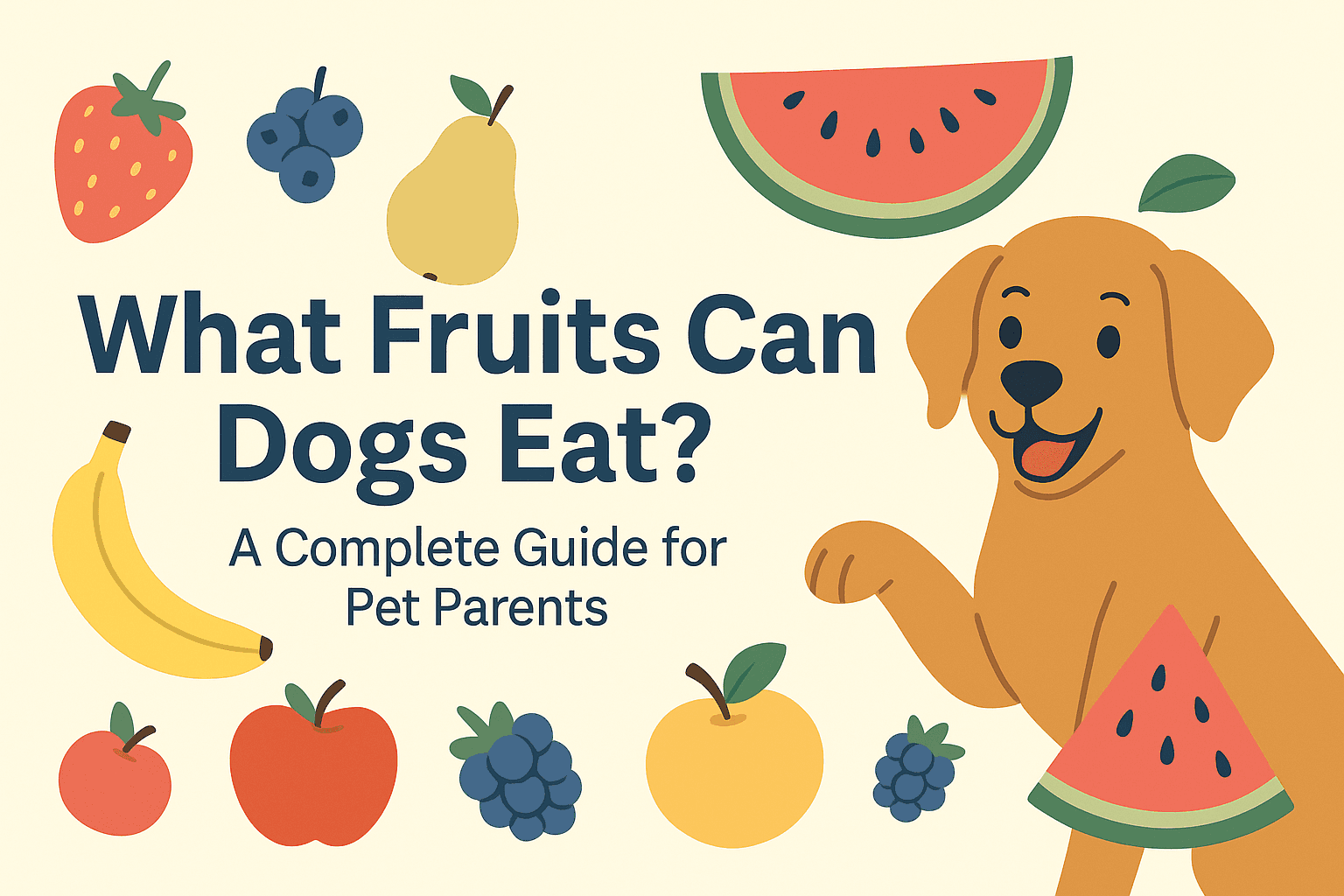
Sharing food with our dogs feels natural—especially when it’s something as fresh and healthy as fruit. But while some fruits are perfectly safe (and even beneficial), others can be harmful or downright dangerous.
This guide walks you through:
- Which fruits are safe for dogs
- Which fruits should never be given
- How much is too much
- The best ways to serve fruit safely
By the end, you’ll know exactly what’s okay to share—and what belongs firmly in your dog's bowl.
Are Fruits Good for Dogs?
In moderation, many fruits can be a healthy treat for dogs. They’re naturally rich in:
- Vitamins (like A, C, and some B vitamins)
- Antioxidants (which support cellular health)
- Fiber (which can support digestion)
- Water (great for hydration, especially in summer)
Fruit can also be a lower-calorie alternative to some commercial treats, which is helpful for dogs that need to watch their weight.
However, there are caveats:
- Sugar content: Fruit still contains sugar. Too much can contribute to weight gain, digestive upset, or issues for dogs with diabetes or pancreatitis.
- Gastrointestinal upset: Sudden or excessive fruit can cause diarrhea, gas, or vomiting.
- Choking hazards and toxins: Seeds, pits, cores, and certain fruits are dangerous or toxic.
A good rule of thumb: treats (including fruit) should make up no more than 10% of your dog’s daily calorie intake. The remaining 90% should come from a complete, balanced diet.
General Safety Rules Before Feeding Fruit
Before you give your dog any fruit, keep these safety basics in mind:
1. Wash thoroughly
Rinse fruit to remove dirt, bacteria, pesticides, or wax.
2. Remove pits, seeds, cores, and inedible parts
- Many pits and seeds can be choking hazards and contain compounds that turn into cyanide.
- Tough skins, cores, and rinds can cause blockages or stomach upset.
3. Cut to appropriate size
Slice or dice into bite-sized pieces based on your dog’s size. Even safe fruit can be dangerous if swallowed whole.
4. Introduce slowly
Offer a small amount the first time and watch for signs of allergy or sensitivity—such as itching, vomiting, or diarrhea.
5. Avoid processed fruit products
- No canned fruit in syrup
- No fruit snacks or candies
- No fruit-flavored yogurts with added sugar or sweeteners (especially xylitol, which is toxic to dogs).
Dog-Safe Fruits (With Benefits and Serving Tips)
Below are some of the most popular fruits that are generally safe for healthy adult dogs in small amounts.
🍎 Apples (Without Seeds or Core)
Why they’re good:
Apples (especially the flesh) are a low-fat, crunchy treat with fiber, vitamin A, and vitamin C.
How to serve:
- Wash, core, and completely remove seeds.
- Slice into small wedges or cubes.
- Avoid apple stems, cores, and seeds (they contain cyanogenic compounds).
🍌 Bananas
Why they’re good:
Bananas are soft, easy to chew, and provide potassium, vitamin B6, and fiber.
How to serve:
- Offer a few small slices as a treat.
- Mash and freeze in silicone molds for a simple summer snack.
Caution:
They’re higher in sugar than some other fruits—keep portions small, especially for overweight or diabetic dogs.
🫐 Blueberries
Why they’re good:
Blueberries are rich in antioxidants, vitamin C, and fiber, making them a great “superfood” snack.
How to serve:
- Offer fresh or frozen, a few at a time.
- Perfect as training treats for small and large dogs alike.
🍓 Strawberries
Why they’re good:
Strawberries contain vitamin C, fiber, and natural enzymes that may help keep teeth a bit cleaner (though they don’t replace brushing).
How to serve:
- Wash well, remove leaves and stem.
- Slice for small dogs or chop for easy chewing.
Caution:
They’re also on the sweeter side—moderation matters.
🍉 Watermelon (Seedless & No Rind)
Why they’re good:
Watermelon is over 90% water, making it a fantastic hydrating snack, especially in hot weather. It contains vitamins A, B6, and C.
How to serve:
- Use only seedless watermelon or carefully remove all black seeds.
- Remove rind completely; offer only the red flesh in cubes.
🍈 Cantaloupe and Other Melons
Why they’re good:
Cantaloupe offers vitamin A, vitamin C, and fiber.
How to serve:
- Remove seeds and rind.
- Cut into small cubes.
Caution:
Like other fruits, melons contain natural sugars—don’t overdo it.
🍐 Pears (Without Seeds or Core)
Why they’re good:
Pears provide fiber, vitamin C, and vitamin K.
How to serve:
- Wash, remove core and seeds, and slice into small pieces.
- Avoid canned pears in syrup.
🥭 Mango
Why they’re good:
Mango contains vitamins A, E, C, and fiber.
How to serve:
- Remove the tough skin and large pit.
- Offer soft, ripe mango pieces.
🍍 Pineapple
Why they’re good:
Fresh pineapple can provide vitamin C, manganese, and enzymes like bromelain (which may aid digestion in small amounts).
How to serve:
- Trim away skin and tough core.
- Offer small chunks of fresh pineapple only (no canned pineapple in syrup).
🍇 Raspberries & Blackberries (In Moderation)
Why they’re good:
These berries contain antioxidants, fiber, and vitamins.
How to serve:
- Offer a few berries at a time.
- They’re easy to mix with food or freeze into treats.
Caution:
Raspberries contain small, naturally occurring amounts of xylitol; extremely large amounts are not recommended. Tiny portions are typically safe for most dogs.
Fruits Dogs Should Never Eat
Some fruits are dangerous enough that they should be completely off the menu.
❌ Grapes and Raisins
These are extremely toxic to many dogs and can cause sudden kidney failure, even in small quantities.
- No grapes.
- No raisins.
- No trail mix containing them.
If your dog eats any, contact a vet or emergency clinic immediately.
❌ Cherries
While the flesh of a cherry is not the biggest issue, the pits, stems, and leaves contain cyanogenic compounds and the pit is a serious choking/blockage hazard.
Most vets recommend avoiding cherries entirely—there are safer fruit options.
❌ Avocado
Avocado contains persin, and while dogs are less sensitive to it than some animals, the pit and skin are choking/blockage risks, and the flesh is high in fat.
Small amounts of plain avocado flesh likely won’t harm most dogs, but given the risks and fat content, many owners and vets prefer to avoid it.
❌ Citrus Fruits (Lemon, Lime, Grapefruit)
Citrus fruits are acidic and can irritate a dog’s stomach, leading to vomiting or diarrhea. Oils and peels can also be irritating or mildly toxic.
A tiny lick probably isn’t dangerous, but feeding citrus as a snack isn’t recommended.
❌ Fruit Pits, Seeds, and Cores in General
In addition to cyanide-related compounds, pits and seeds are chocking/blockage hazards.
Safer rule:
If you’d worry about giving it to a toddler, don’t give it to your dog.
Safe vs Unsafe Fruits for Dogs (Quick Reference Table)
You can drop this straight into your blog:

*Raspberries: safe in very small amounts; don’t overfeed.
How Much Fruit Can Dogs Safely Eat?
Even safe fruit should be treated as an occasional snack:
- Tiny / small dogs (under ~10kg):
- A few small pieces of fruit, a few times per week.
- Medium dogs:
- A small handful of chopped fruit at most.
- Large dogs:
- A bit more—but still under 10% of daily calories.
Adjust or avoid fruit entirely if your dog:
- Is overweight or prone to weight gain
- Has diabetes or other metabolic issues
- Has a history of pancreatitis
- Has a particularly sensitive stomach
When in doubt, ask your vet.
Fun and Safe Ways to Serve Fruit
You don’t have to just toss a chunk of apple and call it a day. Here are some fun ways to incorporate fruit:
Training treats
- Use blueberries or tiny apple cubes instead of biscuits during training sessions.
Frozen “pupsicles”
- Blend banana or watermelon with plain, unsweetened yogurt and freeze in molds or ice cube trays.
Food toppers
- Sprinkle a few berry halves or apple pieces on top of your dog’s regular food for variety (just a small amount).
Stuffed toys
- Mix small fruit pieces with kibble or a smear of xylitol-free peanut butter in a treat toy and freeze for longer enrichment.
Signs Your Dog Isn’t Tolerating Fruit Well
Even if a fruit is “safe,” individual dogs can have sensitivities or allergies. Watch for:
- Vomiting or diarrhea
- Excessive gas or bloating
- Itching, hives, or facial swelling
- Lethargy or signs of discomfort
If symptoms are mild and short-lived, it may just mean that particular fruit doesn’t agree with your dog. If symptoms are severe, persistent, or follow ingestion of a known toxic fruit (like grapes or raisins), contact your vet or an emergency clinic immediately.
FAQ: Common Questions About Dogs and Fruit
Can puppies eat fruit?
Yes, in tiny, soft pieces and in moderation. Their digestive systems are more sensitive, so introduce slowly.
Can dogs eat fruit every day?
Sometimes—if in very small amounts and balanced within their total calorie intake. Daily fruit isn’t necessary and may not be ideal for dogs with specific health issues.
Is dried fruit okay?
Usually not recommended. Dried fruit is more concentrated in sugar and often contains preservatives. Raisins are always unsafe.
Can my dog have fruit yogurt or fruit snacks?
Most are too sugary or may contain xylitol, which is very toxic to dogs. Stick with plain, unsweetened yogurt and add fresh dog-safe fruit yourself.
Conclusion
Yes—dogs can enjoy fruit, and sharing a few bites can be a fun, healthy part of your routine. The key is knowing which fruits are safe, how to prepare them, and how much is appropriate for your dog’s size and health.
When in doubt, keep it simple:
wash, remove pits and seeds, cut small, serve sparingly, and watch how your dog responds.