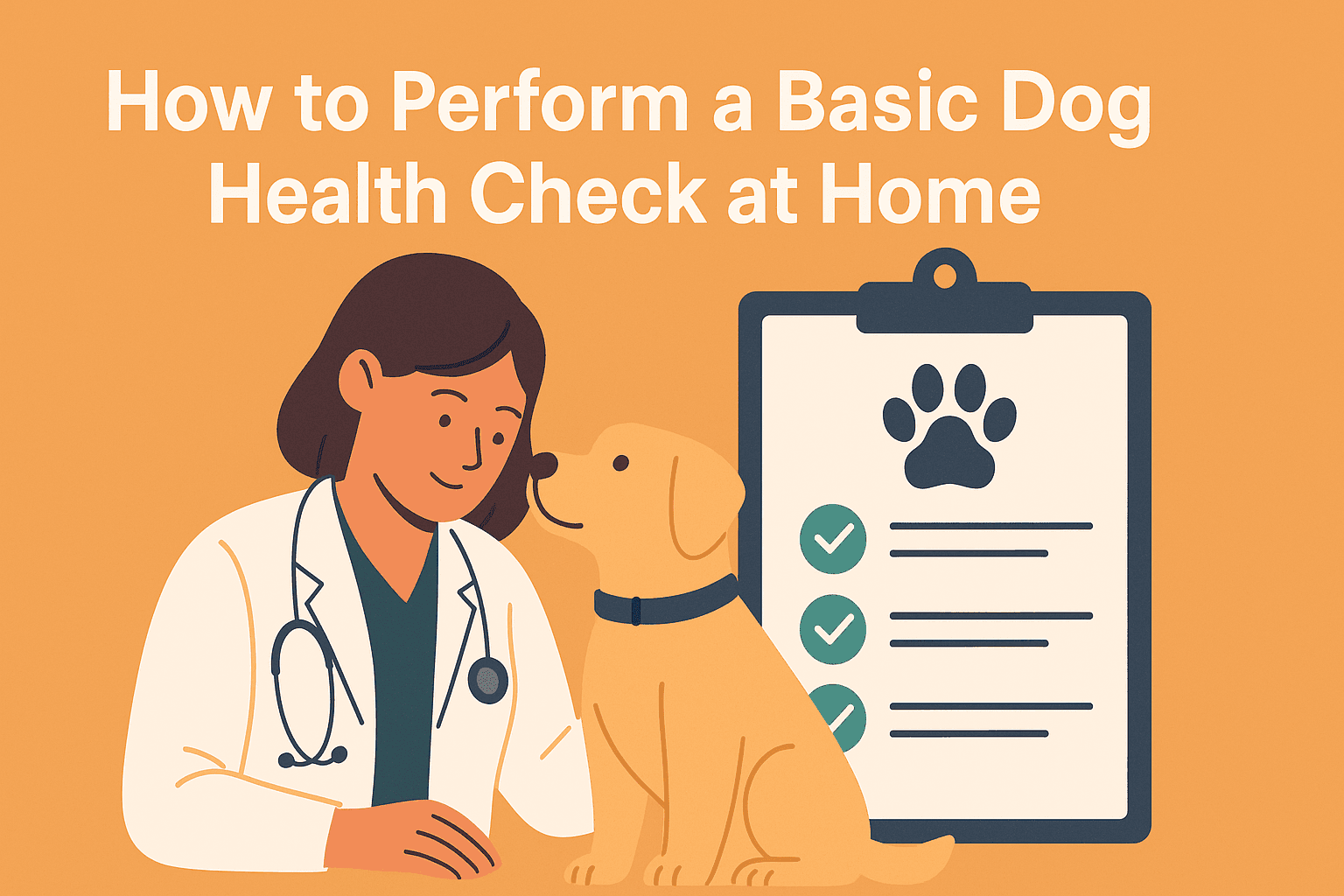
How to Perform a Basic Dog Health Check at Home
As a loving dog parent, you want to ensure your four-legged friend stays happy, healthy, and active. While routine veterinary visits are essential, many aspects of your dog’s health can (and should) be monitored at home between those appointments.
A regular at-home health check empowers you to spot early signs of illness, track changes in behavior or appearance, and stay connected with your dog’s physical and emotional well-being. In this guide, we’ll walk you through a simple, thorough health check you can perform from the comfort of your home.
Why Regular Home Health Checks Matter
Dogs can’t tell us when something feels off—but subtle changes in their body, behavior, or routine often speak volumes. When you commit to monthly wellness checks, you’ll become more familiar with what’s normal for your dog, making it easier to detect any red flags early on.
Early detection can lead to faster treatment, potentially saving your dog from discomfort—and saving you from higher vet bills down the road.
Preparing for the Health Check
Before you begin, create a calm environment. Choose a well-lit room and make sure your dog is relaxed. Use soothing tones, offer treats for cooperation, and avoid rushing. Keep some basic tools on hand:
- A soft brush or grooming mitt
- Penlight or flashlight
- Dog-safe thermometer (rectal or ear)
- Gauze or cotton pads
- Nail trimmers (if needed)
- Dog treats and praise to keep things positive
This isn’t a medical exam—it’s a bonding routine. The more relaxed your dog is, the more effective the check will be.
Observing General Appearance and Behavior
Start by simply observing your dog’s demeanor. Is their energy level normal? Are they eating and drinking regularly? Are they sleeping more than usual or suddenly less playful?
Changes in appetite, restlessness, sudden aggression, or withdrawal can point to physical discomfort or anxiety. Monitor how your dog moves—look for signs of limping, stiffness, or an unusual posture. A healthy dog should walk with ease, without favoring one side or lagging behind.
Eye Health: Windows to Wellness
Your dog’s eyes should appear clear, bright, and alert. Stand in front of them and gently examine each eye for:
- Redness or swelling
- Discharge (watery, yellow, or green)
- Cloudiness or dullness
- Excessive tearing
Watch for squinting, light sensitivity, or signs of discomfort. Tear stains and minor debris can be wiped gently with a damp cotton pad—but persistent issues may need professional care.
Ears: Clean and Odor-Free
Healthy ears are pale pink inside and free from foul odor. Gently lift each ear flap and inspect:
- The skin inside: Is it red, scaly, or inflamed?
- Discharge: Brown, waxy buildup could indicate mites or infection
- Odor: A strong, yeasty smell is a warning sign
Dogs prone to ear infections (especially floppy-eared breeds) may shake their head frequently or scratch excessively. Use a vet-approved ear cleaner and never insert cotton swabs deeply into the ear canal.
Nose: What’s Normal?
Despite common belief, a dog’s nose doesn’t always have to be wet. What matters more is that it’s:
- Smooth and free of cracks
- Not excessively dry or crusty
- Without colored discharge (clear is usually fine)
Bleeding, thick mucus, or constant sneezing are causes for concern. Also monitor if your dog is excessively licking or pawing at their nose—it might signal irritation or a foreign object.
Dental and Gum Health
Dental health is often overlooked but plays a vital role in a dog’s overall well-being. Lift your dog’s lips and examine their teeth and gums:
- Teeth: Should be white or off-white, without heavy tartar buildup
- Gums: Healthy gums are pink and moist—not red, pale, or swollen
- Breath: Mild odor is normal, but foul breath may indicate dental disease
Look out for drooling, bleeding, or difficulty eating. Introduce regular tooth brushing or dental chews to help maintain oral hygiene.
Skin and Coat Check
Run your hands slowly over your dog’s entire body. The coat should be shiny and soft, and the skin smooth without flakes, redness, or sores.
Look for:
- Lumps or bumps (especially under the skin)
- Bald patches or excessive shedding
- Parasites: Fleas, ticks, or skin mites
- Dry or oily patches
Check hidden spots—armpits, between toes, belly, and base of the tail. If you find a lump, monitor its size and consistency and consult your vet if it grows or becomes painful.
Paws and Nails
Examine your dog’s paws for injuries, swelling, or lodged debris (like grass seeds or small stones). The pads should be firm and crack-free.
Nails should be trimmed to just above the ground—overgrown nails can affect posture and gait. If you’re not confident clipping them, a vet or groomer can help.
Weight and Body Condition
Sudden weight gain or loss is often one of the first signs of illness. Stand over your dog and look at their body shape:
- You should see a visible waist when viewed from above
- From the side, the abdomen should tuck up slightly
- You should be able to feel—but not see—the ribs
Use a monthly weight log and consult your vet if you notice unexplained changes.
Temperature and Hydration
A dog’s normal body temperature ranges between 101°F and 102.5°F (38.3°C to 39.2°C). Use a digital pet thermometer rectally or aurally, depending on the model.
To check hydration:
- Gently lift the skin at the scruff of the neck—it should snap back quickly.
- Gums should feel moist, not sticky or dry.
Signs of dehydration include sunken eyes, lethargy, and dry gums—seek veterinary attention promptly.
Know When to Seek Veterinary Care
While home checks are valuable, they don’t replace professional care. Contact your vet if you observe:
- Lethargy, vomiting, or diarrhea lasting more than 24 hours
- Difficulty breathing or persistent coughing
- Visible pain, lameness, or disorientation
- Seizures or unusual neurological behavior
Final Tips for Success
Turn health checks into a bonding ritual. Keep sessions short and reward with praise, play, or treats. Over time, your dog will grow more comfortable with the routine, making it easier to monitor their health with confidence.
And remember—your awareness as a dog owner is the first and best defense in protecting your pet’s quality of life.